We'll call you to confirm your FREE class. No commitment required.
Learn Hindustani Classical Vocal live online in the Guru–Shishya tradition — inspired by the living legacy of Bharat Ratna Pt. Bhimsen Joshi (Kirana Gharana). Prayag Sangit Samiti & Pracheen Kala Kendra exam pathways, taught by MA Music faculty from India.

🎤 Hindustani Vocal · Kirana Gharana


Short, direct answers to the questions people ask most about learning Hindustani Vocal online.
Live, teacher-led singing lessons over video call — Sur (pitch), Taal (rhythm), Alankaars, Ragas and Bandish, with real-time correction from a qualified teacher, not recorded videos.
Yes. Most online students start as complete beginners. Classes begin with Swar practice and simple Alankaars and move at the pace of the individual student.
You learn from qualified teachers in a real lineage wherever you live, save travel time, choose weekday or weekend slots, and get the same personal attention as in a classroom.
Children from age 5, teenagers, adult beginners, working professionals and senior citizens — no prior musical training is needed.
Most students sing basic Alankaars in tune within a few weeks. Prayag Sangit Samiti Prarambhik level typically takes about a year; Visharad takes 3–4 years.
A laptop, tablet or phone with a camera, a stable internet connection and a quiet room. Headphones help; a Tanpura app or our free online Tanpura is enough to start.
Both. Students learn Raga, Bandish and Khayal, and many also learn Bhajans, devotional songs and light classical forms such as Thumri.
Beyond India, students join from the USA, Canada, the UK, Australia, the UAE and other countries, with class times arranged around their local time zone.
Live, interactive online Hindustani Vocal classes with the same certified teachers and curriculum as our Gurgaon centres — trusted by students across India and abroad. Select your country for local class timings and pricing.
Evening and weekend batches scheduled around Eastern, Central, Mountain and Pacific time zones — popular with Indian-American families across the country.
Weekend and after-school slots for students in Toronto, Vancouver, Calgary and beyond, fitted around demanding work schedules.
Afternoon and evening classes in Australia fall in late morning and afternoon in India — with Perth only 2½ hours ahead.
Evening and weekend classes for students across London, Birmingham, Manchester and beyond — an easy time zone overlap for scheduling.
A close time zone to India makes live classes simple for students in Dubai, Abu Dhabi and Sharjah.
A modest time zone gap keeps scheduling easy for Singapore-based families, with both weekday evening and weekend batches.
Every online Hindustani Vocal class is led by an experienced, certified instructor — never an unqualified tutor. Meet the faculty behind Swar Kala Sangam's online programme.
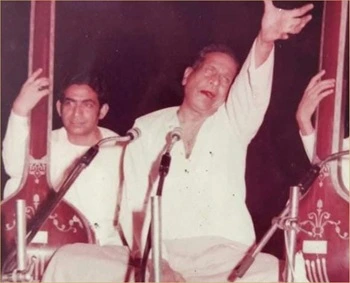
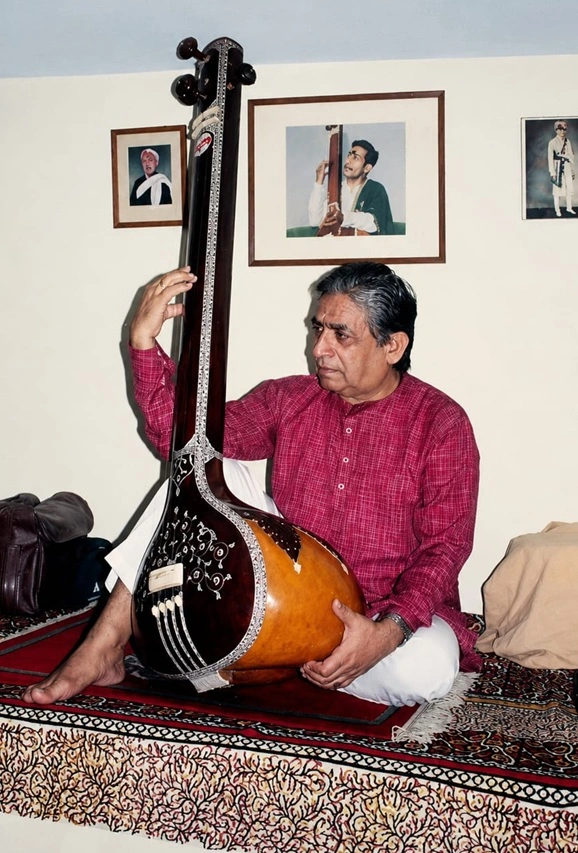
Swar Kala Sangam was founded in 1978 in Jammu by Prof. Baldev Singh Bali, a direct disciple of Bharat Ratna Pandit Bhimsen Joshi, and operates under the banner of Pt. Bhimsen Joshi Sangeet Academy. That direct Guru-Shishya lineage is what separates our online Hindustani Vocal programme from a generic video-call tutor.
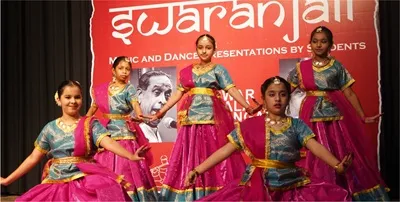
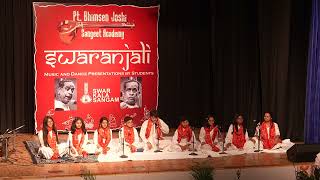
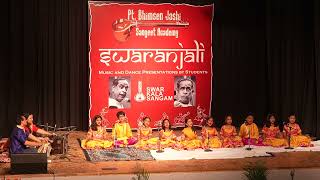
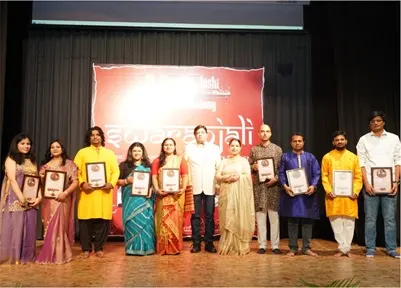
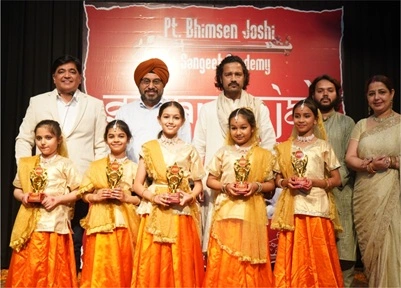
Our annual concert, Swararanjali, has featured 50–100+ student performances, giving online Hindustani Vocal students a genuine performance culture to aspire toward — many of whom never once visited our physical centres in Gurugram, India.
"We're based in Canada and my son does online Hindustani vocal classes for over a year. The quality, consistency and Guru's dedication are remarkable."
"My Guru doesn't just teach technique — she nurtures your relationship with music itself. Learning classical vocal here felt like coming home. Deeply transformative."
"My daughter has been learning Kathak here for three years. The transformation in confidence, discipline and grace is extraordinary. The Gurus genuinely care about each child."
Play-based, patient teaching builds genuine enjoyment before formal technique begins.
Structured examination-track lessons that fit around school schedules.
It's never too late — classes move at a pace that respects a busy adult life.
Early-morning, evening and weekend-only batches around demanding careers.
A gentle, meaningful practice supporting focus and wellbeing at any age.
One of humanity's oldest and most profound musical traditions — a system of melody, rhythm and improvisation rooted in the Sama Veda.
Indian Classical Music is one of the world's oldest continuous musical traditions, with roots stretching back over 3,000 years to the Sama Veda. Unlike Western classical music that largely follows written scores, Hindustani Classical Music is primarily improvisational — the musician explores a Raga's emotional landscape in real time, guided by the Raga's rules and the Guru's teachings.
At its heart are two pillars: Raga (the melodic soul — a framework of notes, phrases and ornaments that evoke a specific emotion, time or season) and Tala (the rhythmic heartbeat — a recurring cycle of beats that organises musical time). Mastery is reached through years of dedicated Riyaz (daily practice) under a Guru in the ancient Guru-Shishya Parampara (tradition of direct transmission).
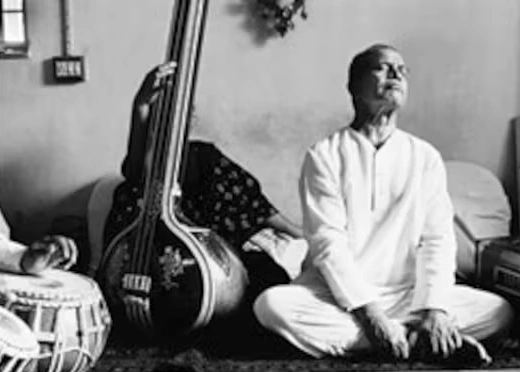
At Swar Kala Sangam, we teach in the Kirana Gharana — one of India's most revered classical lineages made immortal by Bharat Ratna Pt. Bhimsen Joshi. Our founder Prof. Baldev Singh Bali was his direct disciple, making our lineage one of extraordinary authenticity.
A melodic framework with specific ascending/descending note sequences and ornaments. Each Raga evokes a unique emotion, time of day or season — from the devotional gravity of Bhairav at dawn to the tender beauty of Bhairavi at dusk.
The rhythmic cycle that organises musical time. From the flowing Teentaal (16 beats) to the asymmetric Jhaptaal (10 beats), Tala gives music its structure, energy and the framework for rhythmic improvisation.
Dedicated daily practice — the single most important discipline in classical music. Students practice scales, Alankaars (melodic patterns) and Raga phrases under Guru guidance. Even 30 minutes daily brings extraordinary results over time.
A school of music with a distinct style, technique and repertoire passed through generations of Guru-Shishya transmission. We teach in the Kirana Gharana — known for pure sustained notes and deep emotional expression.
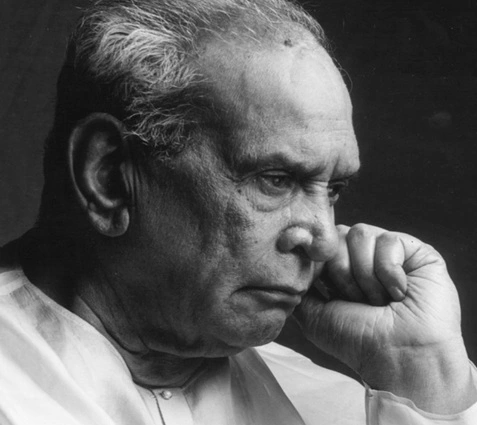
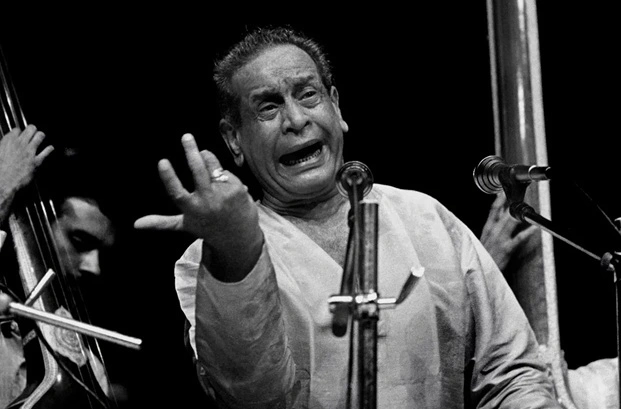
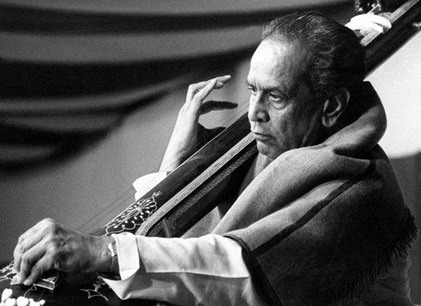
Founded by Ustad Abdul Karim Khan, the Kirana Gharana is celebrated for its pure sustained notes, meditative depth and extraordinary emotional expression. Bharat Ratna Pt. Bhimsen Joshi — whose legacy directly inspires our academy — was its greatest modern exponent.
Each programme is taught by a certified Guru in the authentic Guru-Shishya tradition, with structured syllabus and national examination pathways.
The foundation of Indian Classical Music. Students learn pure resonant sur (pitch), develop taal awareness and gradually master the language of Ragas. Our curriculum follows the Kirana Gharana tradition — emphasising depth of tone, emotional expression and disciplined daily riyaz. From beginner Bhajans to advanced Khayal, every student receives deeply personalised Guru attention.
"The Guru does not teach music. The Guru helps the student hear what was always already within them."
— Prof. Baldev Singh Bali, FounderIn Indian Classical Music, the relationship between Guru (teacher) and Shishya (student) is sacred. It is not mere instruction — it is transmission. The Guru passes not just notes and technique, but the entire emotional and philosophical language of a musical tradition directly into the student's consciousness.
At Swar Kala Sangam, our founder Prof. Baldev Singh Bali was a direct disciple of Bharat Ratna Pt. Bhimsen Joshi — one of the greatest classical vocalists India has ever known. This living lineage informs every class we teach.
Students begin by deeply listening to the Guru, absorbing the flavour of each Raga. The ear must train before the voice can follow.
Structured daily practice of Alankaars, scales and Raga phrases under direct Guru guidance. Consistency builds the foundation of classical mastery.
Once foundations are strong, students explore Raga improvisation — finding their own authentic musical voice within the grammar of the tradition.
Students present their art at recitals, annual concerts and competitions — developing the confidence and presence of a true classical performer.
Every student progresses through a carefully sequenced Raga curriculum — beginning with simple, accessible Ragas and gradually moving to complex ones. Each Raga has its own personality, time of day and emotional world.
One of the most beloved Ragas — tender, deeply emotional. The quintessential farewell Raga, traditionally performed at the conclusion of every concert as a parting gift to the audience.
Mood: Shringaar & KarunaThe quintessential evening Raga — expansive, luminous and perfect for beginners. Its raised Madhyam (Ma#) gives it a distinctive uplifting quality. The first Raga most classical students learn.
Mood: Peaceful JoyA majestic, meditative dawn Raga associated with Lord Shiva. Its flat Rishabh and Dhaivat create a solemn, devotional atmosphere — the ideal companion to early morning riyaz.
Mood: Devotion & SerenityA pentatonic Raga of great simplicity and infinite beauty. Using only 5 notes, it offers ideal entry for early-stage students while rewarding advanced players with extraordinary expressive depth.
Mood: Serene & RomanticOne of the most profound and serious Ragas. Slow, deliberate Gamaks (ornaments) create an atmosphere of grandeur and deep philosophical contemplation. A hallmark of advanced classical training.
Mood: Grandeur & GravityOne of Tansen's immortal Ragas — associated with rain, clouds and the longing of the monsoon. Believed to invoke rain when sung with complete devotion and classical mastery.
Mood: Viraha & Longing✦ And many more Ragas await you. The six Ragas above are just the beginning of your classical journey. As you progress through each level of the curriculum, you will be introduced to dozens more Ragas — each with its own time, season, emotional world and improvisational possibilities. Your Guru will guide the order and pace of Raga learning based on your individual progress, voice and artistic temperament.
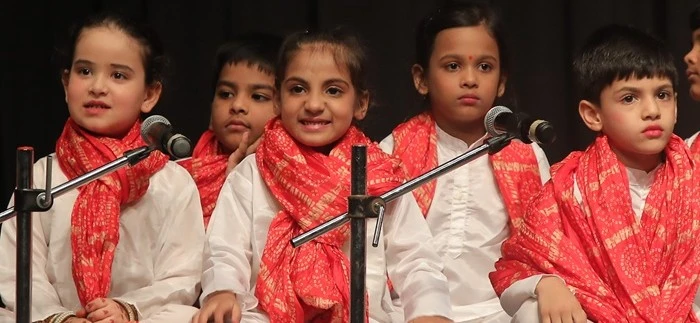
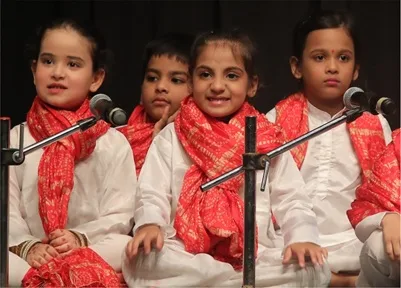
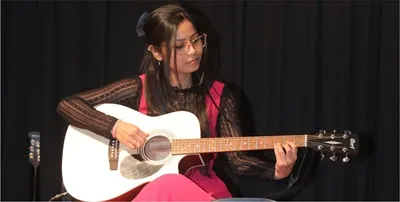
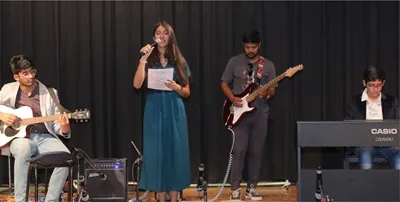
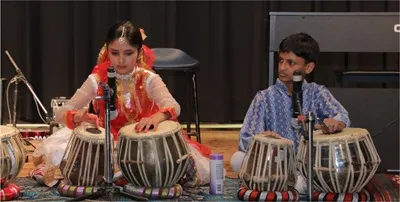
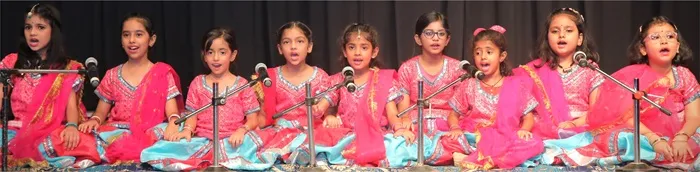
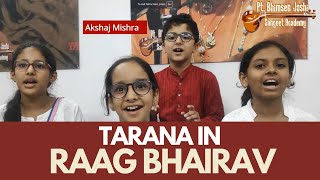
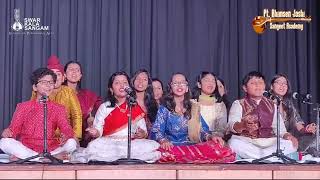
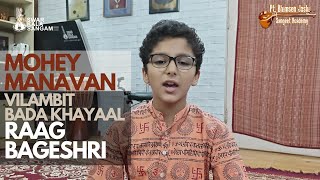
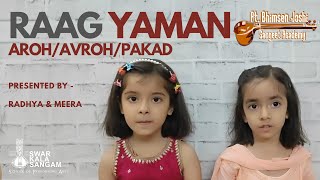
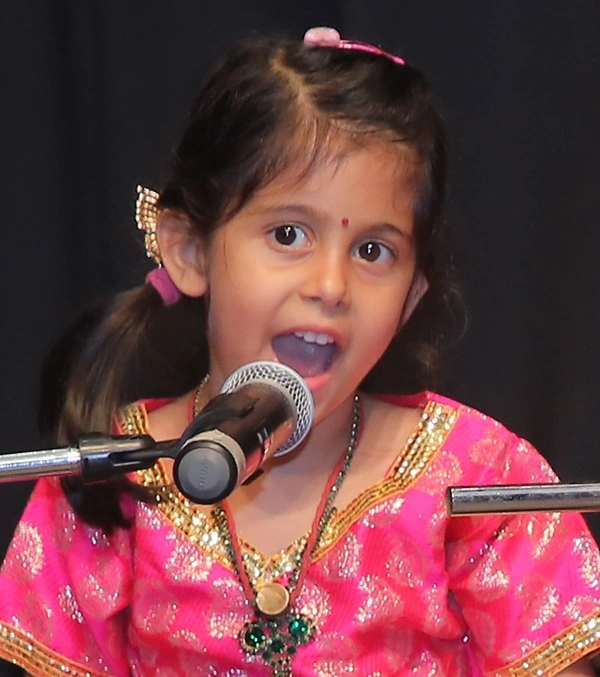
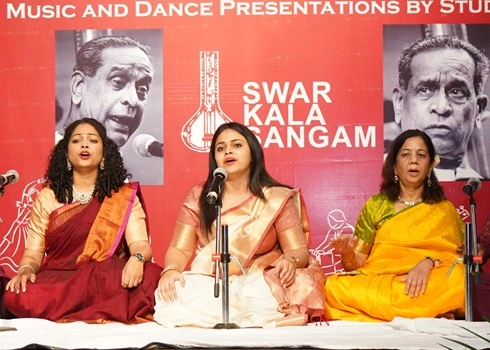
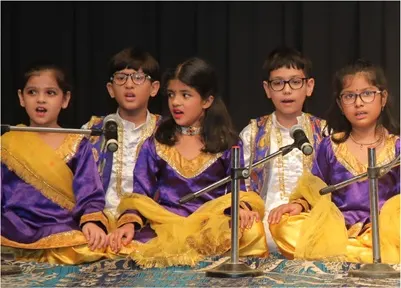
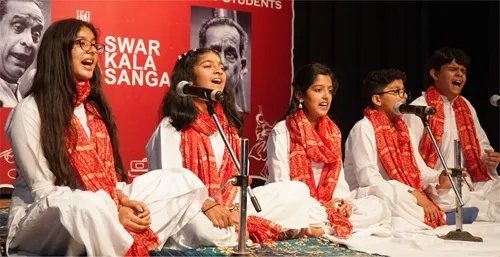
Watch our students perform at annual concerts, recitals and cultural events. This is the result of authentic Guru-Shishya training in the Kirana Gharana tradition.
Classical music training requires sustained focus on Sur, Taal and Raga structure — dramatically improving concentration, memory retention and academic performance in students of all ages.
Each Raga evokes a specific emotion. Learning to express Bhairavi's tenderness or Darbari's gravitas trains students to understand, process and communicate complex emotions with extraordinary depth.
Classical music is a long-term pursuit. The daily riyaz routine builds extraordinary self-discipline, patience and the ability to commit to meaningful goals over months and years.
The meditative quality of Raga practice — particularly morning Ragas like Bhairav — is a powerful tool for stress relief, mental clarity and emotional balance. Music is therapy.
Indian Classical Music is one of humanity's greatest living treasures. Learning it gives children and adults a profound connection to India's 3,000-year cultural heritage, philosophy and spiritual traditions.
Classical vocal training develops extraordinary breath control, pitch accuracy, tonal range and vocal stamina — skills that benefit public speaking, acting and everyday communication.
Regular recitals, annual concerts and competition preparation at Swar Kala Sangam build real stage presence and public confidence — a transformative life skill.
Prayag Sangit Samiti and Pracheen Kala Kendra certifications are equivalent to academic degrees — opening doors in education, government service and performing arts careers.
Indian Classical Music training develops exceptional ear training, improvisational skills and musical intuition — making students outstanding musicians in any genre they choose to pursue.
Every student progresses through clearly defined levels — from absolute beginner to advanced performance. Examinations conducted by Prayag Sangit Samiti and Pracheen Kala Kendra.
| Level | Hindi Name | Duration | What You Master | Exam Board |
|---|---|---|---|---|
| Beginner Level 1 | प्रथमा · Prambhikma | ~1 Year | Basic swaras, Alankaars, Teentaal & Keherwa, 2–3 beginner Ragas, Bhajans | Prayag Sangit Samiti / PKK |
| Elementary Level 2 | मध्यमा · Madhyama Junior Diploma |
~2 Years | 5–6 Ragas, Bandish compositions, Thumri basics, Layakari rhythmic variations | Prayag Sangit Samiti / PKK |
| Intermediate Level 3 | विशारद · Visharad Senior Diploma |
3–4 Years | Advanced Ragas, Alaap/Jod/Jhala improvisation, Taans, Sargam patterns, Stage performance | Prayag Sangit Samiti / PKK |
| Advanced Level 4 | प्रवीण · Praveen Honours Diploma |
5–6 Years | Deep Raga exploration, Khayal, Dhrupad & Thumri forms, Composition & teaching methodology | Prayag Sangit Samiti / PKK |
| Master Level 5 | संगीत रत्न · Sangeet Ratna | 7+ Years | Complete Raga mastery, Solo concert performance, Original compositions, Guru qualification | Prayag Sangit Samiti / PKK |
Certifications equivalent to formal academic degrees — recognised by the Government of India and accepted for education, government service and performing arts careers.
One of India's oldest and most respected music examination bodies. Certifications are recognised as equivalent to Bachelor's and Master's degrees in Music by Indian universities. Available for Vocal, Tabla, Harmonium and other classical instruments.
A premier government-recognised institution for preservation and promotion of Indian classical arts. PKK certifications carry equivalence to formal academic degrees and are widely accepted for music teacher appointments and cultural scholarships across India.
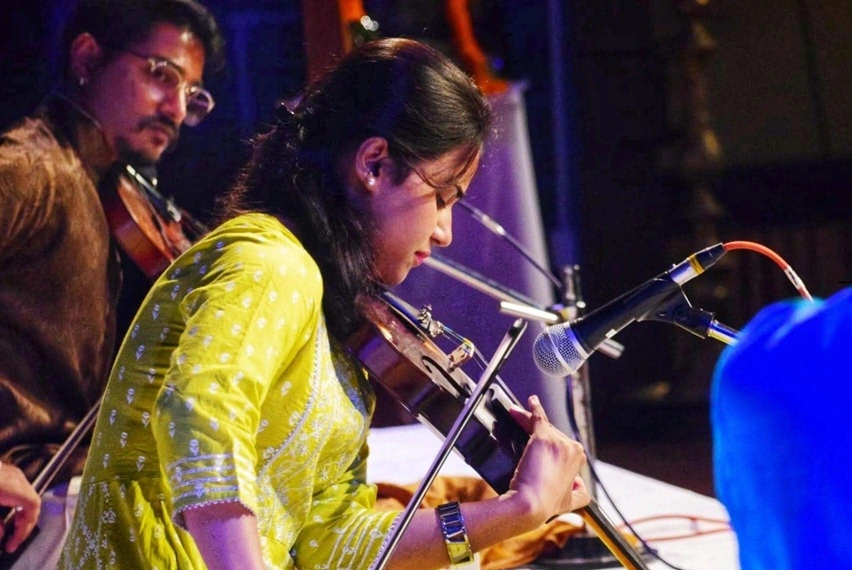
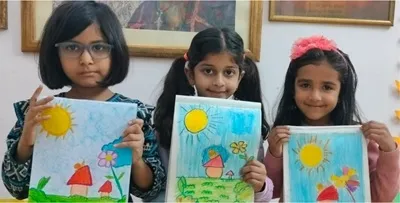
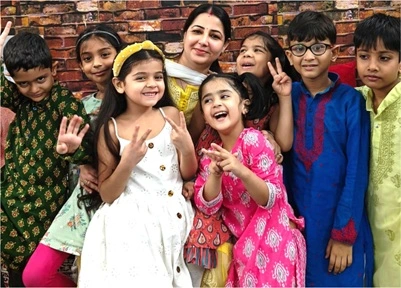
A glimpse into our classrooms, rehearsals, performances and the warm Guru-Shishya bonds that make Swar Kala Sangam so special.
Students begin with Swar (pure pitch) and Alankaars, then learn Ragas such as Yaman, Bhairav and Bhairavi, Taals such as Teentaal and Roopak, and compositions — Bandish, Bhajan and, at advanced levels, Khayal and Thumri.
Swar Kala Sangam was founded in 1978 in Jammu by Prof. Baldev Singh Bali, a direct disciple of Bharat Ratna Pt. Bhimsen Joshi. Our vocal teaching follows the Kirana Gharana's emphasis on tonal purity and patient Raga development.
Online students prepare for Prayag Sangit Samiti and Pracheen Kala Kendra examinations on the same syllabus as our two Gurgaon centres — see the course levels above.
Children usually start from age 5; adults of any age are welcome. Classes are offered as Guru–Shishya 1:1, Sadhak 1:2 or Gurukul 1:4, scheduled around your time zone.
Learn Hindustani Vocal live with experienced teachers from Swar Kala Sangam, wherever you live. Your first class is completely free.