
⚡ New Batches Open: Limited seats for Violin Classes — Book your free trial class today
About Us Our Legacy
Courses +
🎤 Hindustani Vocal 💃 Kathak Dance 🥁 Tabla 🎵 Harmonium 🪕 Sitar 🎶 Bansuri / Flute 🎹 Piano 🎸 Guitar 🎨 Art & Painting 🌐 Online Classes
Why Us Locations Online Classes Blog Riyaz Tools
🎓 Book Free Trial Class 📞 +91-9560883339 WhatsApp Now
Live Online Violin Classes · Western & Indian

Violin ClassesOnline

Learn the violin live online — Western technique and repertoire on the Trinity College London Grade 1–8 syllabus, or Indian Raga-based violin, or both. Personal attention from first bow stroke to advanced playing.

🎓 Trinity College London
🎻 Western & Indian
★ 4.9 · 180+ Reviews
👶 Age 6 Onwards
★★★★★
4.9 Google Rating
Online Violin Classes – Swar Kala Sangam

🎻 Violin · Western & Indian

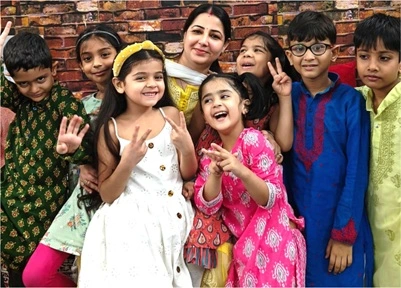
Violin students at Swar Kala Sangam
Live online Violin lesson – Swar Kala Sangam
48+
Years Legacy
3000+
Students Trained
1500+
Online Students
Age 6
Start Age
Quick Answers

Online Violin Classes — At a Glance

Short, direct answers to the questions people ask most about learning Violin online.

What are Online Violin Classes?

Live, teacher-led violin lessons over video call — posture, bowing, intonation and repertoire, corrected in real time by your teacher, not recorded videos.

Can complete beginners learn violin online?

Yes. Classes start with how to hold the violin and bow and how to make a clear sound, then move at the pace of the individual student.

Western or Indian violin — which should I choose?

Western violin follows graded repertoire and notation on the Trinity syllabus; Indian violin focuses on Sargam and Raga melodies. Many students start with Western technique and add Indian music later.

Who can join?

Children from about age 6, teenagers, adult beginners and working professionals — no prior musical background is needed.

How long does it take to see progress?

Most beginners play simple tunes within the first few months. A Trinity grade typically takes about a year of regular practice per level in the early stages.

What equipment is required?

A violin of the right size, a bow and rosin, plus a laptop, tablet or phone with a camera and a stable internet connection. Your teacher helps you choose the right size.

Are live classes better than recorded courses?

For violin, yes. Posture, bow arm and intonation need real-time correction that a recorded video cannot give.

Which countries do you teach students in?

Beyond India, students join from the USA, Canada, the UK, Australia, the UAE and other countries, with class times arranged around their local time zone.

Learn From Anywhere

Online Violin Classes
Available Worldwide

Live, interactive online Violin classes with the same certified teachers and curriculum as our Gurgaon centres — trusted by students across India and abroad. Select your country for local class timings and pricing.

🇺🇸 Online Violin Classes in USA

Evening and weekend batches scheduled around Eastern, Central, Mountain and Pacific time zones — popular with Indian-American families across the country.

🇨🇦 Online Violin Classes in Canada

Weekend and after-school slots for students in Toronto, Vancouver, Calgary and beyond, fitted around demanding work schedules.

🇦🇺 Online Violin Classes in Australia

Afternoon and evening classes in Australia fall in late morning and afternoon in India — with Perth only 2½ hours ahead.

🇬🇧 Online Violin Classes in the UK

Evening and weekend classes for students across London, Birmingham, Manchester and beyond — an easy time zone overlap for scheduling.

🇦🇪 Online Violin Classes in the UAE

A close time zone to India makes live classes simple for students in Dubai, Abu Dhabi and Sharjah.

🇸🇬 Online Violin Classes in Singapore

A modest time zone gap keeps scheduling easy for Singapore-based families, with both weekday evening and weekend batches.

👩‍🏫 Meet Our Violin Teachers & Founders 🎓 Book Free Trial Class
Our Gurus

Meet Our Faculty
Certified Gurus, Personal Attention

Every online Violin class is led by an experienced, certified instructor — never an unqualified tutor. Meet the faculty behind Swar Kala Sangam's online programme.

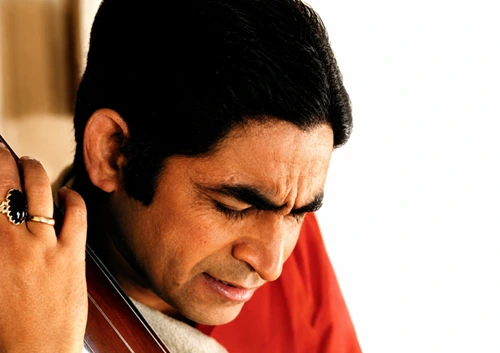
Prof. Baldev Singh Bali — Founder · 1978, Swar Kala Sangam
Prof. Baldev Singh Bali
Founder · 1978

Founded Swar Kala Sangam in Jammu in 1978. MA Music Gold Medalist and direct disciple of Bharat Ratna Pt. Bhimsen Joshi (Kirana Gharana).

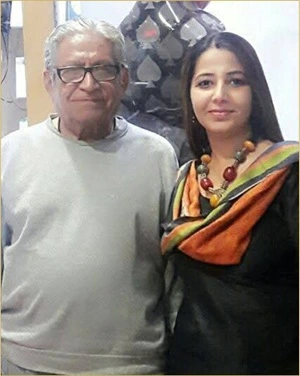
Mukta Monish Mehta — Co-Founder · Faculty Director, Vocal, Swar Kala Sangam
Mukta Monish Mehta
Co-Founder · Faculty Director, Vocal

MA Music Gold Medalist trained in the Kirana Gharana. Leads the vocal programme and its Pracheen Kala Kendra and Prayag Sangit Samiti exam preparation.

From Our Blog

Violin Classes Learning Guides
& Expert Articles

Why Trust Swar Kala Sangam

48+ Years of Authentic
Classical Arts Education

48+
Years of Academy Legacy
3000+
Students Trained
4.9★
180+ Google Reviews
1500+
Online Students Taught
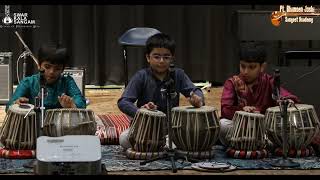
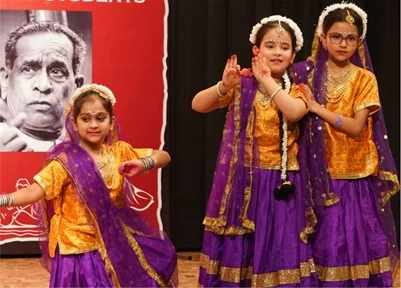
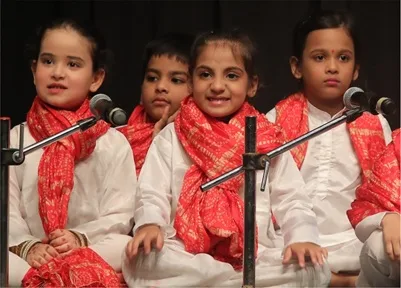
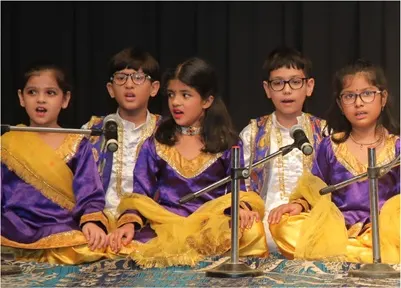
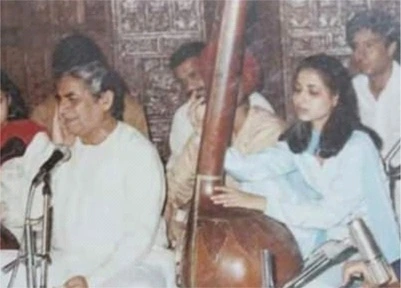
Violin legacy at Swar Kala Sangam Academy legacy at Swar Kala Sangam Student achievements at Swar Kala Sangam Annual concert performance at Swar Kala Sangam

Swar Kala Sangam was founded in 1978 in Jammu by Prof. Baldev Singh Bali, a direct disciple of Bharat Ratna Pandit Bhimsen Joshi, and operates under the banner of Pt. Bhimsen Joshi Sangeet Academy. That direct Guru-Shishya lineage is what separates our online Violin programme from a generic video-call tutor.

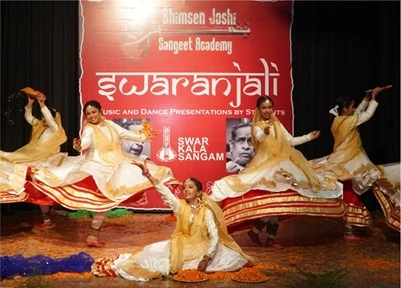
Our annual concert, Swararanjali, has featured 50–100+ student performances, giving online Violin students a genuine performance culture to aspire toward — many of whom never once visited our physical centres in Gurugram, India.

Student Success Stories

What Our Students
& Parents Say

Online and in-person students learning together at Swar Kala Sangam Student performance at Swar Kala Sangam Swar Kala Sangam students at a recital
★★★★★

"I started guitar as an adult with zero experience. The structured Trinity curriculum and patient faculty made every session rewarding. Cleared Grade 3 in just 14 months!"

Rahul Mehta — Adult Learner · Guitar
★★★★★

"My twin girls take piano and art classes here. Both cleared Trinity exams with distinction. Teachers manage individual pace brilliantly. We couldn't be happier."

Meghna Joshi — Parent · Piano & Art
★★★★★

"We're based in Canada and my son does online Hindustani vocal classes for over a year. The quality, consistency and Guru's dedication are remarkable."

Anita Kapoor — NRI Parent · Online Vocal
Every Age, Every Stage

Who Can Join Online
Violin Classes?

Kids learning online Violin classes Teens in structured online Violin classes Adult beginner learning Violin online Working professional attending online Violin class Senior citizen practising Violin online
🧒

Kids

Play-based, patient teaching builds genuine enjoyment before formal technique begins.

🧑‍🎓

Teens & Students

Structured examination-track lessons that fit around school schedules.

🎓

Adult Beginners

It's never too late — classes move at a pace that respects a busy adult life.

💼

Working Professionals

Early-morning, evening and weekend-only batches around demanding careers.

🌿

Senior Citizens

A gentle, meaningful practice supporting focus and wellbeing at any age.

The Instrument

What is the Violin?
One Instrument, Two Great Traditions

A four-string bowed instrument at the heart of Western orchestral music — and, for two centuries, a voice of Indian classical music too.

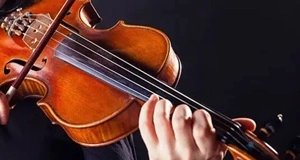
The violin has four strings tuned G–D–A–E and is played with a bow. Its range and singing tone make it the lead voice of the Western orchestra and string quartet, and a favourite first instrument for children worldwide.

The violin also became part of Indian classical music. In Carnatic music it was adopted in the early 19th century and is now the standard melodic accompaniment; in Hindustani music, artists such as Pt. V. G. Jog and Dr. N. Rajam developed a singing, voice-like style known as gayaki ang.

At Swar Kala Sangam, online violin students choose a Western pathway (technique, notation and graded repertoire on the Trinity College London syllabus) or an Indian pathway (Sargam, Alankaars and Raga-based melodies) — or combine both.

गज़ · Bow
Bow Control

Straight bowing, even pressure and smooth bow changes — the source of a clear, beautiful tone.

सुर · Intonation
Playing in Tune

The violin has no frets, so every note is placed by ear. Intonation is trained from the very first lesson.

मींड · Meend
Glides & Ornaments

Smooth slides between notes that give Indian violin its vocal quality — learnt in the Indian pathway.

स्वरलिपि · Notation
Reading Music

Staff notation and sight-reading for the Western pathway; Sargam notation for Indian repertoire.

Violin classes at Swar Kala Sangam

Western & Indian Violin

Build a classical technique first — posture, bow hold, scales and intonation — then grow into graded Western repertoire, Indian Raga melodies, or both.

Western ClassicalTrinity College LondonHindustani Gayaki AngRaga Melodies
1
The European Violin
Classical, orchestral and chamber tradition
2
Violin in Indian Music
Carnatic accompaniment and Hindustani gayaki ang
3
Swar Kala Sangam
Est. 1978 · Trinity College London affiliated since 2019
4
You
Begin your violin journey today
The Learning Journey

Your Path from First Note
to Confident Violinist

Violin foundation – Swar Kala Sangam
Step 1
Hold & Bow
Posture, violin hold, bow grip and open-string bowing — the habits every good tone is built on.
Violin scales practice – Swar Kala Sangam
Step 2
Scales & Intonation
First-position scales, finger patterns and ear training so every note lands in tune.
Violin repertoire – Swar Kala Sangam
Step 3
Repertoire & Ragas
Graded pieces, shifting and vibrato — or Sargam, Alankaars and Raga melodies on the Indian pathway.
Violin performance – Swar Kala Sangam
Step 4
Exams & Stage
Trinity graded exams and performances at the academy's annual concert.
Our Violin Programme

Online Violin Classes

A structured programme from first bow strokes to advanced repertoire, with a Trinity College London graded pathway.

Online Violin Classes – Swar Kala Sangam
Trinity College London
🎻
Online Violin Classes
वायलिन · पाश्चात्य एवं भारतीय शैली
Age 6+ · All LevelsWestern & IndianTrinity College LondonOnline Available

A complete violin curriculum: posture, bow technique and intonation first, then scales, sight-reading, shifting and vibrato, with graded Western repertoire on the Trinity College London syllabus. Students who prefer Indian music learn Sargam, Alankaars and Raga-based melodies with meend and gamak.

What You Will Learn
Posture, Violin Hold & Bow Grip
Open-String Bowing & Tone
First-Position Scales & Finger Patterns
Intonation & Ear Training
Staff Notation & Sight-Reading
Bowing Styles — Détaché, Legato, Staccato
Shifting & Higher Positions
Vibrato
Graded Western Repertoire
Sargam & Alankaars (Indian Pathway)
Raga Melodies with Meend & Gamak
Trinity Exam & Performance Preparation
🎓 Trinity College London — Initial to Grade 8
Violin teaching at Swar Kala Sangam

"A good violin tone is patience made audible — one slow, straight bow at a time."

— Swar Kala Sangam
How We Teach

Live Violin Teaching
Corrected in Real Time

♪

Violin rewards careful early habits. In every live class your teacher watches your posture, bow arm and left-hand shape on camera and listens to your intonation — fixing small problems before they become habits.

Whether your goal is a Trinity grade, orchestra or school ensemble, Indian classical melodies or simply the joy of playing, your lessons are planned around your pace and goals.

1

Posture & Bow Hold

Comfortable, correct set-up from the first lesson — the basis of tone and of injury-free playing.

2

Intonation & Ear

Scales, drones and ear training so you learn to hear and fix every note.

3

Technique & Repertoire

Bowing styles, shifting and vibrato, applied in graded pieces or Raga melodies.

4

Exams & Performance

Trinity College London grade preparation and recitals at the academy.

🎓 Book Free Trial Class 📞 Call Now WhatsApp Now
The Vocabulary of the Violin

Skills You Will
Master & Perform

Step by step, you build the techniques that let the violin sing — in Western and Indian music alike.

मुद्रा
Posture & Hold

A relaxed, balanced way of holding violin and bow — the foundation of tone and comfort.

गज़
Détaché & Legato

Separate and connected bow strokes, with straight bows and even sound.

सप्तक
Scales & Arpeggios

Major and minor scales across positions — finger patterns, intonation and fluency.

स्थान
Shifting & Positions

Moving the left hand up the fingerboard to reach higher notes accurately.

कम्पन
Vibrato

A controlled oscillation of pitch that brings warmth and expression to sustained notes.

स्टैकाटो
Staccato & Spiccato

Short, crisp and bouncing strokes for lively, rhythmic passages.

मींड
Meend

Expressive slides between notes — the hallmark of Indian violin's singing style.

गमक
Gamak

Oscillating ornaments used in Raga music to colour notes and phrases.

पाठन
Sight-Reading

Reading new music at sight — a core part of Trinity graded exams.

See the Art in Action

Student Performances
Live from the Stage

Watch our students perform at annual concerts and recitals — the result of authentic classical training at Swar Kala Sangam.

The Lifelong Benefits

Why Learn the Violin?
9 Reasons to Begin Today

👂

A Finely Trained Ear

With no frets, violinists learn to hear pitch precisely — a skill that helps in every kind of music.

🧠

Focus & Memory

Coordinating bow, fingers and reading music builds concentration and working memory.

🖐️

Two-Hand Coordination

Each hand does a different job — excellent for fine motor skills and coordination.

🎻

Orchestra & Ensembles

Violinists are always needed in school orchestras, string groups and bands.

🇮🇳

Indian & Western Music

One instrument opens both Western classical repertoire and Indian Raga music.

🎓

Recognised Grades

Trinity College London graded exams give a clear, internationally recognised path.

🧘

Patience & Discipline

Daily practice builds patience, persistence and calm.

🎭

Stage Confidence

Recitals and concerts build poise and self-confidence.

💛

Expressive Voice

The violin's singing tone lets you express emotion like few other instruments.

Structured Progression

Violin Course Levels & Progression

A clearly structured pathway from beginner to advanced, following Trinity College London graded exams.

LevelGradesDurationWhat You MasterExam Board
Beginner Level 1Initial · Grade 1~1 YearPosture, bow hold, open strings, first-position notes, simple pieces, basic notationTrinity College London
Elementary Level 2Grades 2–3~2 YearsMajor and minor scales, détaché and legato, slurs, simple sight-reading, graded piecesTrinity College London
Intermediate Level 3Grades 4–53–4 YearsShifting to third position, introduction to vibrato, staccato, aural skills, theoryTrinity College London
Advanced Level 4Grades 6–75–6 YearsHigher positions, fluent vibrato, spiccato, more demanding repertoire and sight-readingTrinity College London
Master Level 5Grade 87+ YearsAdvanced repertoire, full technical range, performance-level musicianshipTrinity College London
Recognised Certification

Internationally Recognised
Violin Grades

Swar Kala Sangam has been affiliated with Trinity College London since 2019.

Trinity College London
Graded Music Exams · Bowed Strings

Trinity's graded violin exams run from Initial to Grade 8 and assess pieces, technical work and supporting tests such as sight-reading and aural. Exams are held in many countries through local representatives.

InitialGrades 1–3Grades 4–5Grades 6–7Grade 8
Life at the Academy

Inside Swar Kala Sangam
Our Music Academy

A glimpse into our classes, rehearsals, performances and the warm teacher-student bonds that define learning at Swar Kala Sangam.

Annual Day Concert – students on stage
Annual Day Concert
Practice session at Swar Kala Sangam
Classes in Action
Master Class Workshop
Guru-Shishya learning session
Guru–Shishya Moments
Award Ceremony
Annual Award Ceremony
Kids Showcase
Kids Showcase
Music Grand Performance
Arts Exhibition
Arts Exhibition
Your Questions Answered

Everything About Online Violin
Classes, Answered

Most children start from about age 6, on a smaller fractional-size violin (such as 1/4 or 1/2) that fits their arm. Adults can start at any age.
Yes. Your teacher watches your posture, bow arm and left hand on camera and listens to your intonation live, correcting problems as they happen. Camera position is set up in the first class.
Violin size depends on arm length. Your teacher checks this on camera before you buy or rent, so the instrument is comfortable and easy to play in tune.
Both. The Western pathway follows technique, notation and graded repertoire; the Indian pathway covers Sargam, Alankaars and Raga melodies with meend and gamak. You can combine them.
Students on the Western pathway prepare for Trinity College London graded violin exams, from Initial to Grade 8. Exams are taken through Trinity's local centres or representatives.
Not to start. Western-pathway students learn staff notation step by step; Indian-pathway students learn Sargam notation.
About 15–20 minutes a day is a good start, built up gradually. Your teacher sets clear weekly goals.
The violin takes patience because it has no frets, but with live correction and short daily practice, beginners make steady, audible progress.
Yes. Many adults learn violin for enjoyment; lessons move at a pace that suits a busy life.
Yes. Students can take part in our annual concert, Swararanjali, and in recitals.
Three formats: Guru–Shishya 1:1, Sadhak 1:2 and Gurukul 1:4. Fees and timings are on our Online Music Classes page, shown in your currency.
Use the Book Free Trial button on this page or WhatsApp +91-9560883339. We confirm a time in your time zone and send the video-call link.

Online Violin Classes — A Complete Guide

Learning the Violin Online

Online violin lessons at Swar Kala Sangam are live, one-to-one or in small groups, with a teacher who watches and listens in real time. Students build posture, bowing and intonation first, then scales, sight-reading, shifting and vibrato.

Western and Indian Violin

The Western pathway follows graded repertoire on the Trinity College London syllabus, from Initial to Grade 8. The Indian pathway uses Sargam, Alankaars and Raga melodies, with the meend and gamak that give Indian violin its singing quality.

Violin Classes for Kids and Adults

Children usually start from about age 6 on a fractional-size violin; adults of any age are welcome. Classes are offered as Guru–Shishya 1:1, Sadhak 1:2 or Gurukul 1:4, scheduled around your time zone.

Begin Your Journey

Start Your Violin Journey
Online Today

Learn Violin live with experienced teachers from Swar Kala Sangam, wherever you live. Your first class is completely free.

🎓 Book Free Trial WhatsApp