Most children can start art from age 3, singing, Kathak and piano from about 5, tabla from about 6, guitar from about 7, and sitar or bansuri from about 8. Choose live classes in small groups of similar-age children, keep practice short and daily (10–15 minutes for young children), and stay nearby during class for children under 6.
Music is one of the best gifts you can give a child. It builds listening, memory, coordination, discipline and confidence — and in Indian classical music and dance, it connects children to a rich cultural heritage. With online music classes for kids, children can learn from experienced teachers from home. But when should they start, which subject suits them, and how do you keep them practising?
What is the best age to start?
There is no single perfect age — readiness matters more than birthdays. As a general guide:
| Subject | Typical starting age | Why |
|---|---|---|
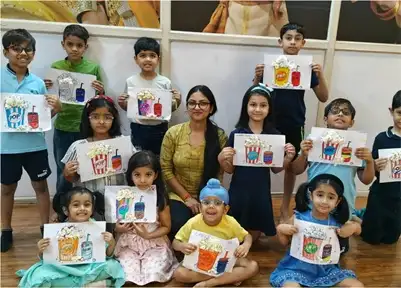
| Art & Painting | From 3 | Builds fine motor skills and creativity through play |
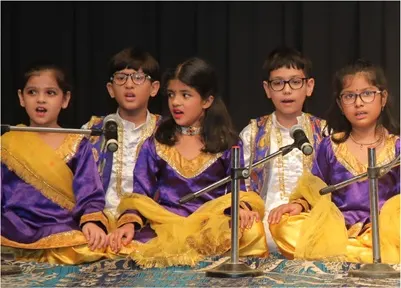
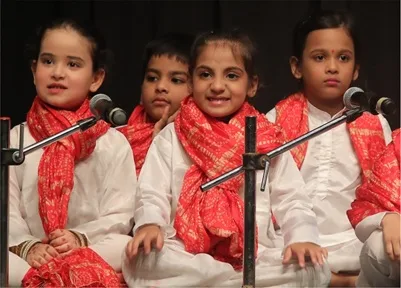
| Singing / Hindustani Vocal | From 5 | Children can follow sargam, rhythm and simple songs |
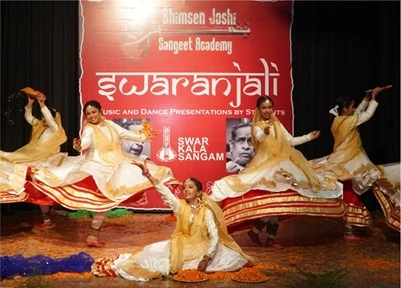
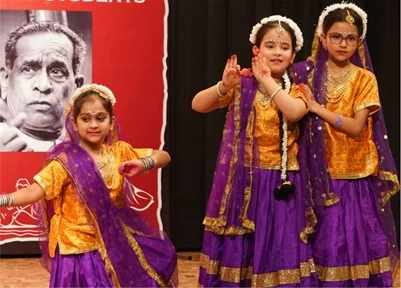
| Kathak | From 5 | Footwork and rhythm suit young children's energy |
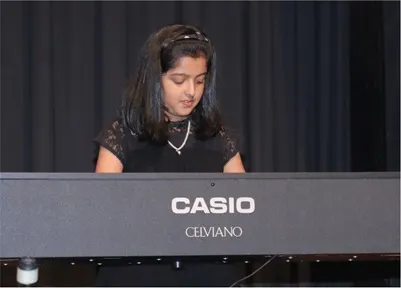
| Piano / Keyboard | From 5 | Small hands can manage simple pieces and finger exercises |
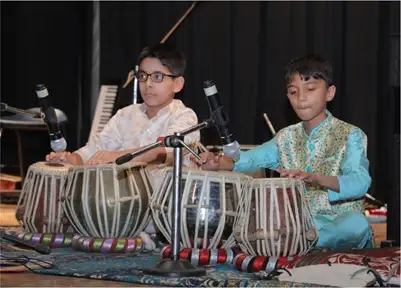
| Tabla | From 6 | Needs a little more hand strength and coordination |
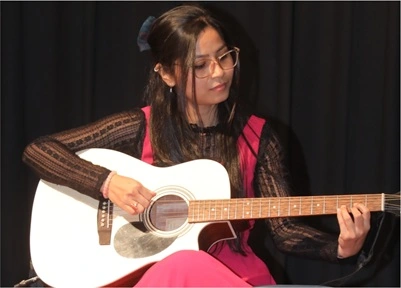
| Guitar | From 7 | Pressing strings needs some finger strength |
| Sitar, Bansuri | From 8 | Instrument size, posture and breath control |
| Harmonium, Violin, Bharatnatyam | Varies | A teacher can assess readiness in a trial |
Signs a child is ready: they can concentrate for 20–30 minutes, follow simple instructions, and — most importantly — they are curious and want to try.
Benefits of music lessons for children
- Listening and memory — learning songs, ragas and rhythms trains the ear and memory.
- Coordination — instruments and dance develop fine and gross motor skills.
- Discipline and patience — steady practice teaches that effort brings results.
- Confidence — performing, even for family, builds self-belief.
- Culture — Indian classical music and dance connect children to language, stories and festivals.
Choosing the right subject
- Loves singing? Start with vocal; harmonium pairs well later.
- Always moving? Kathak channels energy into rhythm — see learning Kathak online.
- Drums on every table? Tabla is a natural fit.
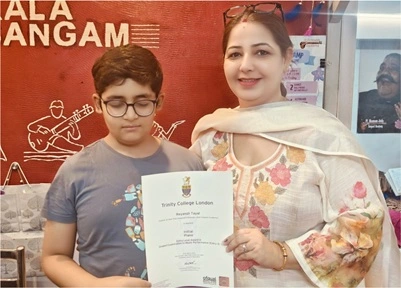
- Wants graded certificates? Piano or guitar with Trinity College London grades.
- Loves drawing? Art classes can start as early as 3.
Try a Live Class — Free
Meet your teacher, discuss your goals and get a recommendation on the right class format. No payment needed.
Private or group classes for kids?
Most children enjoy small groups of up to four children of a similar age — they learn from and encourage each other. Pairs work well for siblings. Private lessons suit shy children, children preparing for an exam, or families with changing schedules. Compare them in our formats guide.
The parent's role in online classes
- Ages 3–6: stay nearby to help with the device and keep your child focused.
- Before class: device charged, camera angle checked, instrument ready, water nearby. See the set-up checklist.
- After class: read the teacher's practice note and help your child follow it.
- Every few weeks: ask the teacher how your child is progressing.
How to get kids to practise music
- Same time every day — attach practice to an existing routine, such as after a snack.
- Keep it short — 10–15 minutes a day for young children, building up gradually.
- Small, clear goals — "play this line three times cleanly" works better than "practise 20 minutes".
- Celebrate progress — a mini concert for grandparents on a video call is a great motivator.
- Give them a stage — recitals and annual shows give children something to work towards.
- Be patient with plateaus — every learner has slow weeks; consistency carries them through.
Should children take music exams?
Exams are optional. For some children they are motivating milestones; for others they add pressure. Boards such as Prayag Sangit Samiti, Pracheen Kala Kendra and Trinity College London offer graded pathways — see our certification guide. Families abroad can read learning from abroad.
Start Your Musical Journey Today
Live online classes from India and in-person classes in Gurgaon. Your first class is free — no payment, no commitment.
Written by the faculty team at Swar Kala Sangam Sangeet Academy — the music academy of Pt. Bhimsen Joshi Sangeet Academy, founded in 1978. Information is general guidance and correct as of 22 November 2026; examination boards and fees can change, so always check current details.